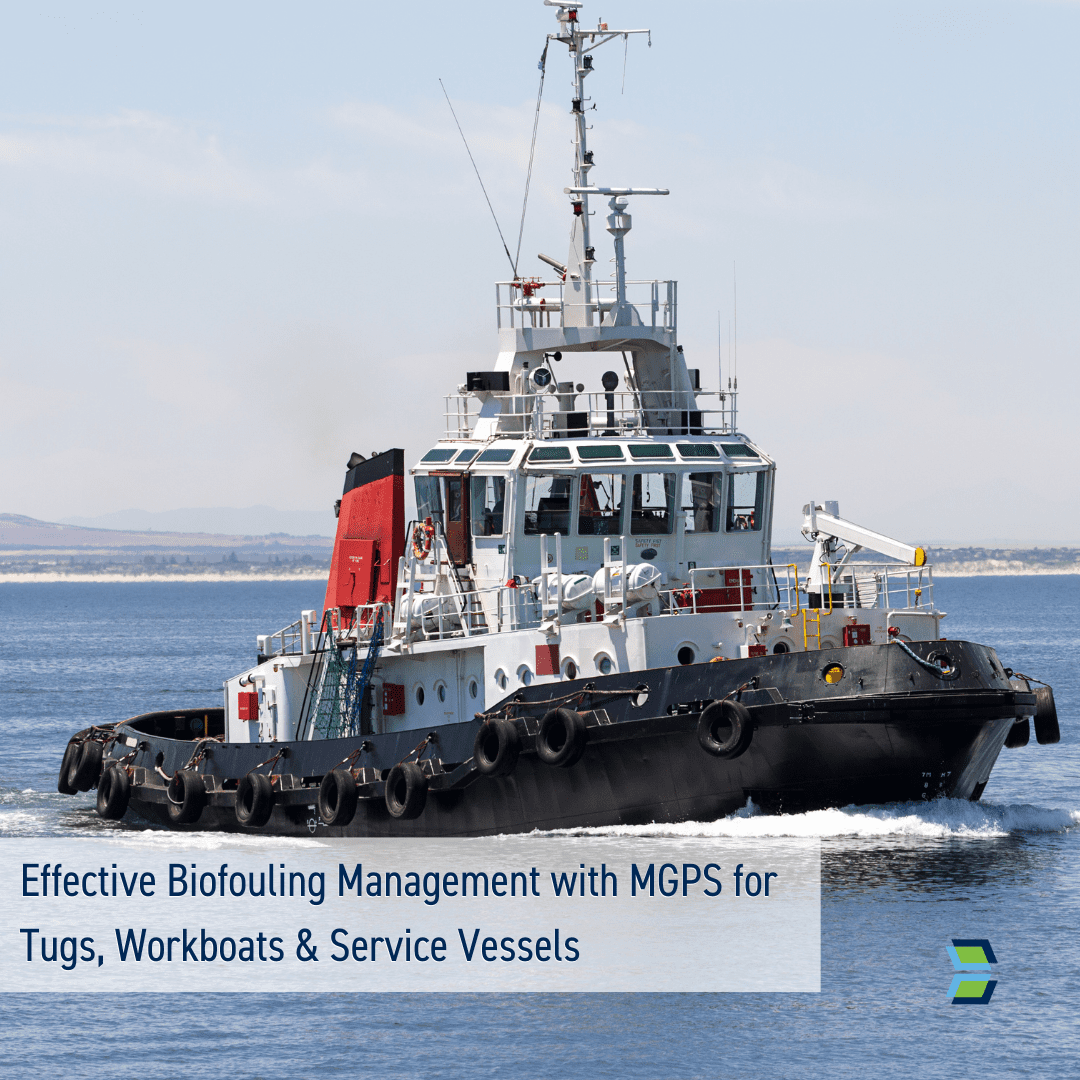
In the vast and dynamic realm of maritime operations, vessels from robust tugs and industrious…
Biofouling Maintenance and the New Compliance Reality: What Vessel Operators Need to Know About VIDA and Country Specific Biofouling Legislation in 2026 and Beyond

If you work in shipping, offshore energy, ocean science, or any sector that puts steel into salt water, you’re likely feeling the change. Biofouling, once treated as routine maintenance, is now becoming one of the most important regulatory and operational issues of the decade. The shift has been gradual, but what’s coming next is anything but subtle.
Governments and regulators around the world are recognizing the environmental, operational, and biosecurity impacts of unmanaged fouling. New vessel-entry rules, digital documentation expectations, and emerging enforcement regimes are reshaping how the industry approaches hulls, niche areas, and underwater systems. And critically, this lens is widening beyond ships, now floating offshore wind assets, science buoys, and long duration monitoring platforms all face the same increasing threat from marine growth.
Biofouling has always been a routine problem to pay some attention to, a check box at the design stage of a vessel, and a task to complete at a dry dock, but now It’s becoming central to compliance, readiness, and operational efficiency.
Why Biofouling Is a Global Regulatory Priority
The science around invasive species has been clear for years, but only recently has it translated into national level policies to prevent their translocation. Vessels are now recognised as a major pathway for transporting invasive aquatic species between ecosystems. When vessels move with fouling on hulls or niche areas, they unintentionally carry organisms across regions, where they can disrupt local environments and create long-lasting ecological and economic damage.
Operationally, the impact is equally significant. Even light fouling increases fuel burn; heavier fouling can raise hydrodynamic resistance by double digit percentages. With global reporting requirements tightening, these losses are both costly and increasingly visible.
This convergence, environmental protection, operational performance, and compliance, has pushed regulators from best practice guidance to legislated mandates. The IMO Biofouling Guidelines (MEPC.378(80)) set the global framework, but individual countries have gone further. Australia, New Zealand, Brazil, Norway and the State of California will actively enforce hull and niche area cleanliness expectations, and vessels can face delays, cleaning orders, or entry restrictions if their biofouling management is not up to standard.
Biofouling maintenance was a nice to have, it has now become the subject of regulation and governments expect real, documented proof that its being managed properly.
VIDA: The Next Major Regulatory Shift in the United States
The Vessel Incidental Discharge Act (VIDA) is the next major legislation. While VIDA covers several categories of operational discharges, the biofouling component is the one poised to reshape day to day operations for any vessel entering U.S. ports.
The U.S. Coast Guard is preparing to introduce clearer expectations around:
- Active and up-to-date Biofouling Management Plans
- Verified and auditable biofouling record-keeping
- Evidence of routine inspections and cleanings
- Maintenance of systems used to control or prevent fouling
Once implementation dates are announced, operators will have limited time to adjust. And just like Australia and New Zealand, enforcement is expected to be practical, real, and demonstrable.
VIDA is not an isolated development. It will sit alongside country specific legislation and help establish a global baseline for what is considered acceptable biofouling maintenance. The emerging reality is a regulatory landscape where regional rules overlap, and fleets need to be prepared for all of them.
Why Structured Biofouling Management Matters More Than Ever
Most operators already handle fouling in some form, but the challenge is consistency. Plans are often outdated. Record books are incomplete. Documentation is scattered across binders, emails, and PDFs. And when port-state control asks for clarity, vessel teams are left scrambling to reconstruct the story. This is exactly the scenario VIDA and other legislation intends to eliminate.
The future of biofouling management needs to be structured, predictable, and verifiable. Fleets need clear routines for inspections, cleaning records, maintenance schedules, and system performance documentation, all organised in a way that satisfies regulators without turning ship staff into administrators.
Digital tools are emerging to support this need. Platforms such as ShipCarePro consolidate logs, inspections, AIS movements, coating details, and maintenance actions in one place. They help fleets move from reactive compliance to proactive readiness, which is increasingly essential for global operations.
If you want help, we are here to assist with both prevention and compliance around biofouling on your ocean assets.

Related Posts